

Indian Hill, Ohio Real Estate Guide
In Indian Hill, the setting can be as important as the house: a long approach, established trees, space for a garden, or room to spend more time outdoors. The most useful question is how that setting will work for you throughout the year. Compare the land, the house, and the care they require as one decision.
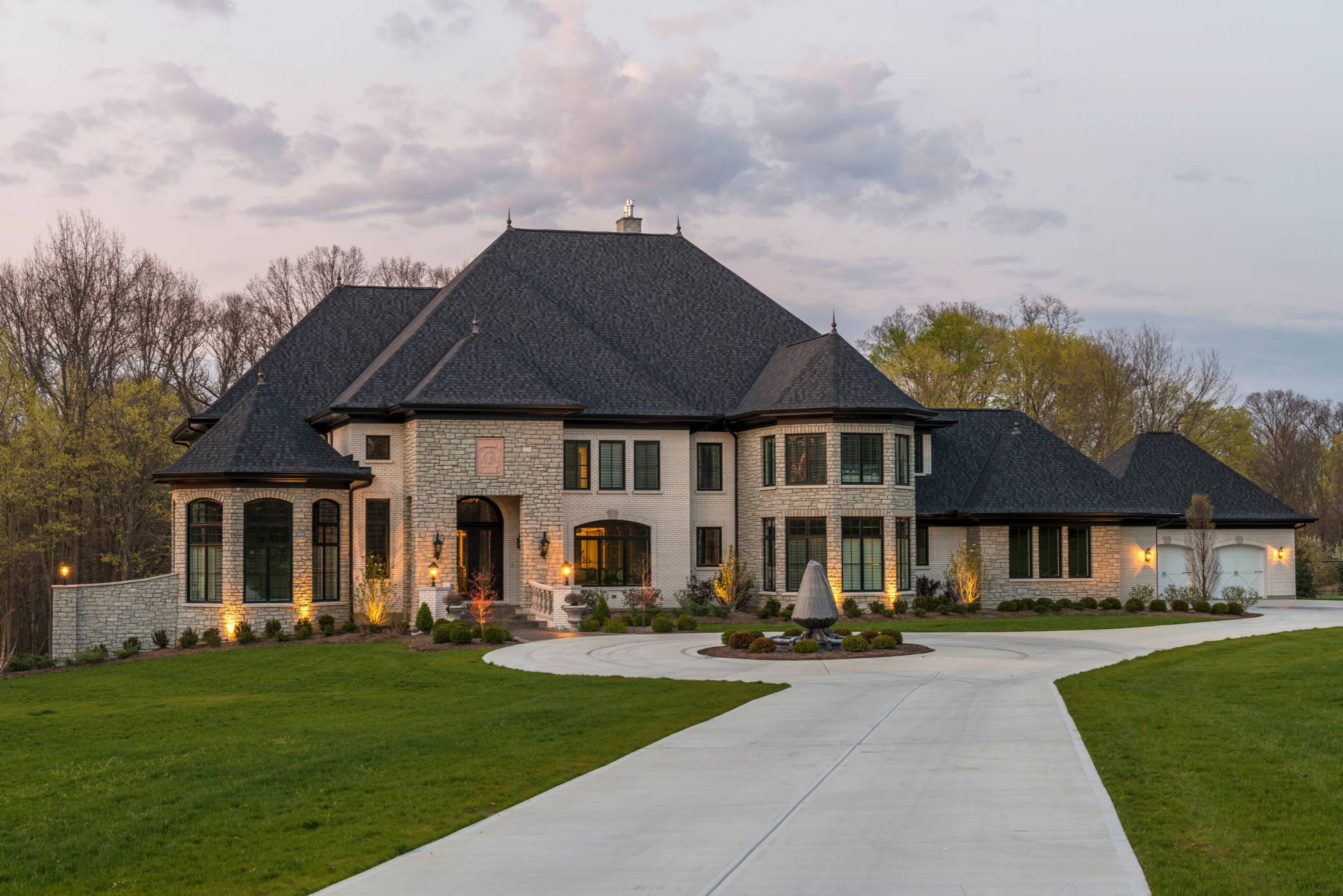
What would you do with more space?
Start with the experience you want: outdoor dining, gardening, a place to work quietly, room for guests, or a specific recreational use. Then walk the property with that purpose in mind. Acreage is a measurement; usable space depends on slope, drainage, access, existing improvements, and applicable restrictions.
A broad lawn, wooded ground, a steep hillside, and land affected by an easement can serve very different purposes. Ask for an available survey and identify the boundaries, driveways, utilities, and recorded restrictions with the appropriate professionals. Do not treat a neighboring open view as part of the property or assume it will remain unchanged.
Make the grounds part of your ownership budget
Before comparing only the purchase prices, request a realistic picture of ongoing care. Larger grounds can support the experience you want when the maintenance plan fits your time and budget.
- Landscape and trees: ask what has been maintained, what needs attention, and which areas require professional care.
- Access: consider driveway condition, drainage, turning space, deliveries, lighting, and snow removal.
- Special features: investigate pools, irrigation, retaining walls, outbuildings, generators, and other systems individually where present.
- Utilities: verify the actual water and wastewater arrangements, available service records, and any inspection or maintenance needs.
- Inside the home: compare the condition and age of major systems, including multiple heating or cooling zones if the property has them.
Separate recurring care from immediate repairs and optional upgrades. Ask qualified providers for property-specific estimates. Historical bills can help start the conversation, but your use of the property may produce different costs.
Could you add a pool, expand, or build something new?
Investigate the proposal before assigning value to it. The village's Planning Commission handles matters including subdivisions, variances, and special exceptions. Its document library includes zoning resources and address-based classifications.
Use those resources to prepare a conversation about the exact parcel and project. Confirm current requirements, required approvals, setbacks, access, and any resource-protection or easement limitations that apply. A large parcel does not by itself establish that your intended addition or use will be approved.
Explore the landscape beyond the property
Rowe Arboretum, 4600 Muchmore Road, offers a chance to explore collections of evergreens and companion plantings. The village currently lists free admission and seasonal hours. Check its visitor guidelines and construction notices before leaving; renovations during 2026–2027 may affect vehicle access.
If riding is part of your plans, review the village's bridle-trail information. A license is required to ride the trails, and membership and guest arrangements have specific conditions. Confirm current access, rules, and any relationship between a property and a trail before treating proximity as a usable connection.
The community resource page also connects you with parks, Green Areas, recreation, and Grand Valley information. These destinations have different access arrangements. Choose a place that matches your interests and check its own guidance, rather than assuming every green space is open for every activity.
Test the daily route as carefully as the property
Drive from the actual address to work, groceries, appointments, and the places you visit most. Notice road width, turns, slopes, and the final approach home. Use the village's construction-project updates to understand temporary road impacts.
Verify jurisdiction and school assignment for each address. When comparing Montgomery, Kenwood, or Mariemont, use the same priorities: space, daily access, desired improvements, and ongoing responsibilities.
How can Indian Hill sellers make the value easier to understand?
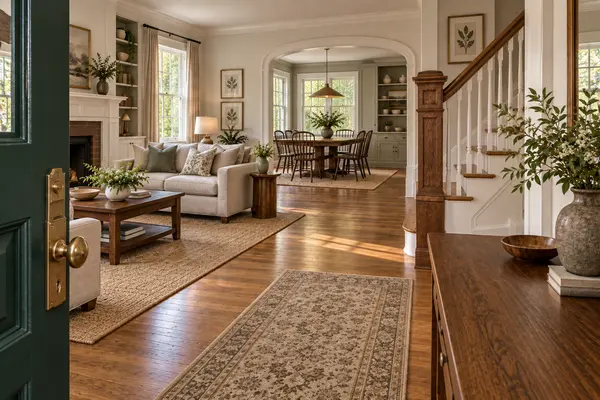
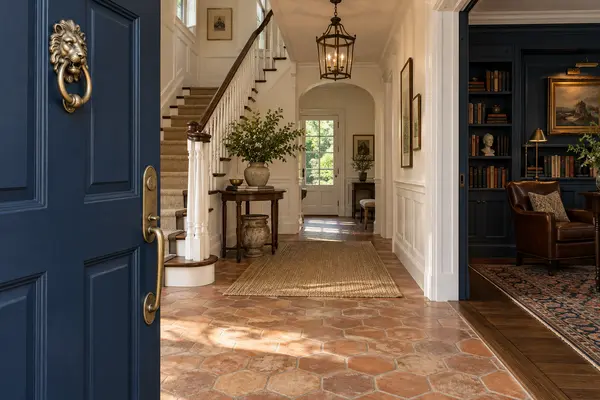
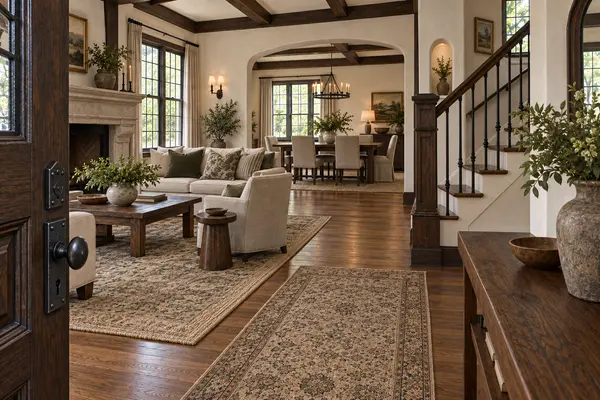
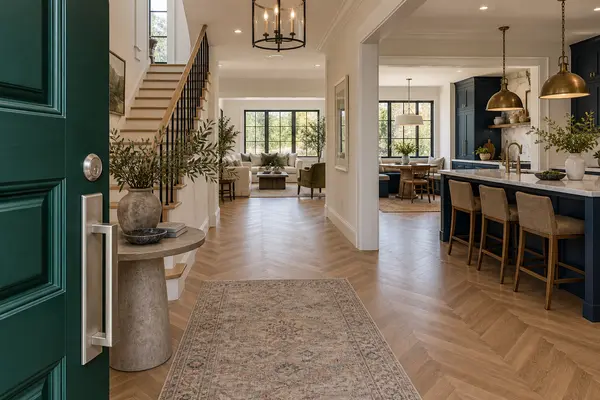
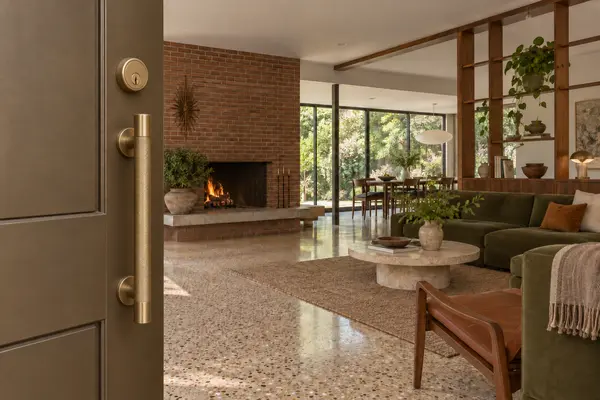
Prepare three sets of information: the home's systems and improvements, the grounds and special features, and the available property and approval records. Clear photography should show how the rooms connect to the outdoor spaces, alongside the setting that drew you to the property.
Support the presentation with documented care and a focused pricing comparison. Show what exists today, identify what is included, and distinguish possible future projects from approved plans. The Market Snapshot gives broader context; the final pricing conversation should reflect the individual property's condition, setting, and relevant competition.
Deborah Herres at Epique Realty can help organize those details into a clear buying or selling plan. Bring the features that matter most to you and the questions you need answered before moving forward.
Categories
Recent Posts

GET MORE INFORMATION