

Montgomery, Ohio Real Estate Guide
Montgomery offers more than one version of a convenient home base. You may want to walk toward the heritage area, spend time at a park, or choose a property with room to adapt over time. The right search starts by deciding which of those experiences you would use regularly, then checking the details of each address.
Start with a walk, then test the trip home
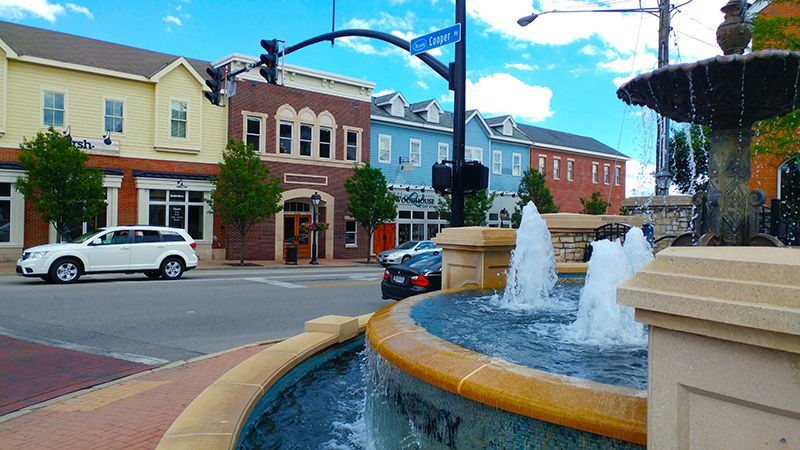
Triangle Point Plaza is a pocket park in Montgomery's Heritage District, with seating and a distinctive three-tier fountain. Use it as a place to pause while exploring the surrounding streets. Notice where you would cross, park, and enter the places you expect to visit.
Then test the connection from a home on your shortlist. “Near downtown” can mean a comfortable walk for one person and a drive for another. Evaluate the actual sidewalks, crossings, slopes, and distance against your needs. Check the city's current road-work notices before your visit so a temporary closure does not become your only impression of the route.
Where could a park visit fit into your week?
Swaim Park, at Cooper and Zig Zag roads, includes Todd Pond, a paved walking path, playgrounds, courts, shelters, and the Wilder-Swaim farmhouse. The city's park page is useful for planning a walk, learning about the historic setting, or checking reservation information.
Compare that experience with another destination from the city's park directory. Pick the activity you would return for, then drive or walk the real route from each property. A park on a map adds more value to your routine when its facilities and access work for you.
Buying with renovation plans? Check the rules early
If your vision includes changing windows, adding space, rebuilding, or altering the exterior, investigate before treating the idea as part of the home's value to you. A property's age, landmark status, zoning, and location can affect the review process.
Montgomery's code includes separate procedures for listed landmarks and certain exterior changes in the Heritage Overlay District. Use the city's zoning and certificate-of-approval procedures as a starting point, then ask the city which requirements apply to the exact parcel and proposed work. Do not assume every older Montgomery home has the same designation or restrictions.
Bring a clear description of your proposed project, any available survey, and the property address to that conversation. Confirm required approvals, setbacks, and other limitations before setting a renovation budget or schedule.
Compare three versions of the same home search
- A home you can use with limited changes: compare layout, condition, storage, and whether the rooms support the way you live today. A finished appearance still deserves inspection and a review of improvement records.
- A home you would improve: separate essential work from optional upgrades. Consider timing, temporary living arrangements, professional estimates, and the approval process.
- A home with less exterior responsibility: where an association applies, review exactly what dues cover, what repairs remain yours, and any assessments, reserves, or restrictions affecting your plans.
For each property, write down purchase price, expected work, ongoing costs, and one feature you cannot readily change. The street setting, lot shape, and route to your everyday destinations deserve as much attention as the finishes.
What should Montgomery sellers prepare?
Give buyers a clear account of the home. Gather available renovation permits, service records, warranties, and the dates of major improvements. Explain the layout, parking, storage, and outdoor space with photography that shows how the property works.
If the property has a special designation or association, make the relevant documents easy to review. If a future improvement is only an idea, describe it as something to investigate rather than a promised opportunity. Buyers gain confidence when the appealing features and practical details support the same story.
Set pricing in the context of recent comparable sales and current competing homes with similar condition, setting, and usable space. The Market Snapshot helps frame the broader conversation; it does not replace a property-specific comparison.
Where should I compare next?
Explore Blue Ash for a different park and everyday-activity setting, Kenwood for another nearby comparison, and the Hamilton County guide for a wider view. Verify jurisdiction and any school assignment for the individual address.
Deborah Herres at Epique Realty can help you turn a list of preferences into a focused comparison of homes, condition, and next steps. Bring the addresses you like and the changes you hope to make.
Categories
Recent Posts



GET MORE INFORMATION