

Historic Home or Newer Townhome in East End: What to Compare
When your East End shortlist includes a character-filled older home and a newer townhome, compare more than the finishes. The better fit depends on how the rooms work, what you will maintain, the records available, and the responsibilities that come with that particular property.

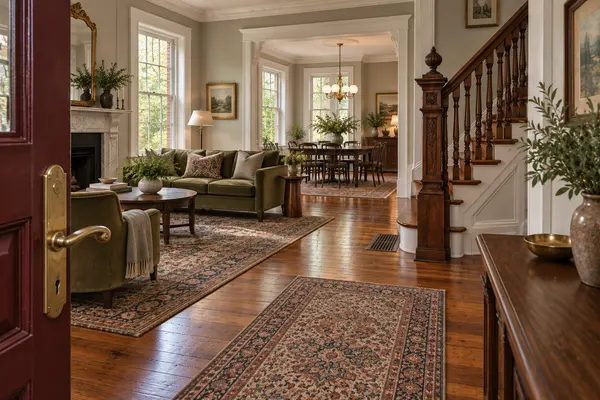
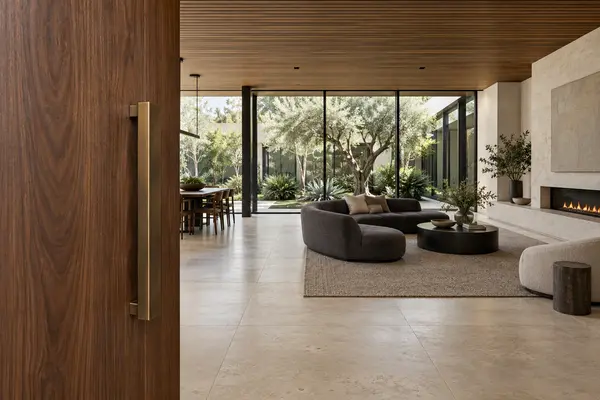
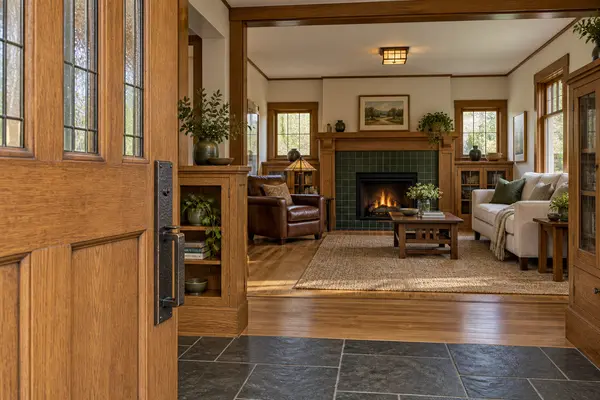
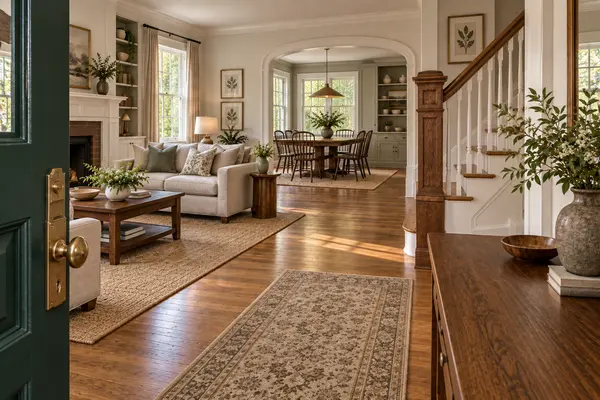
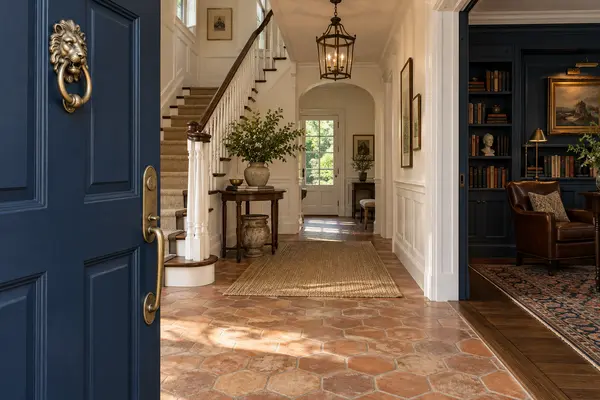
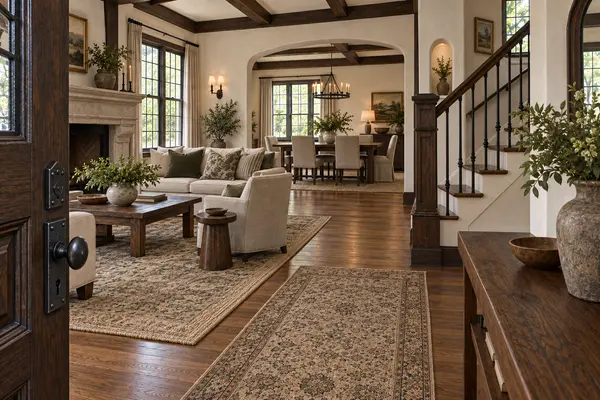
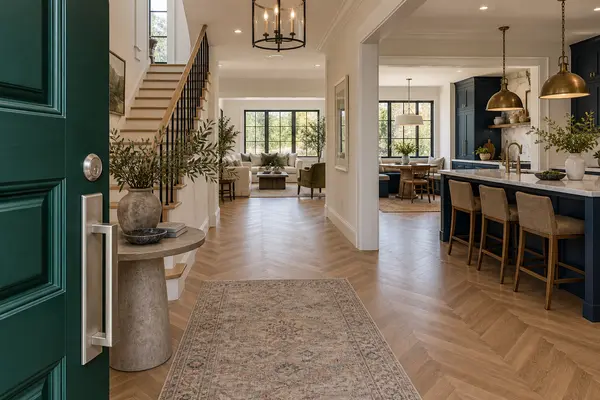
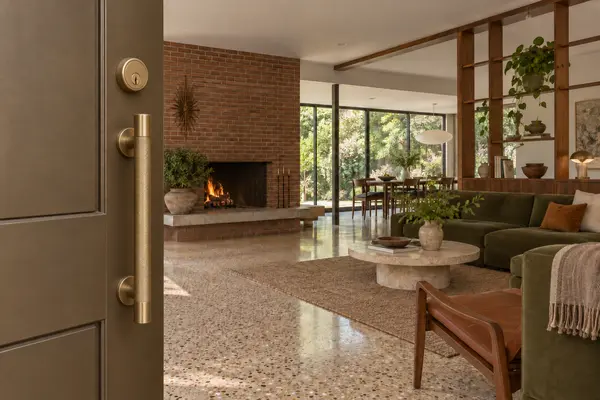
AI-generated editorial illustration; not an actual East End property or listing.
Start with the way the home lives
Walk through the rooms in the order you use them during a normal day. Compare stairs, room connections, ceiling heights, storage, laundry, parking access, and usable outdoor space. An appealing architectural style is most valuable to you when it also supports your routine.
Use the East End home-tour checklist to ask the same questions at every showing.
For an older home, look beyond the renovation photos
Ask what was updated, when the work was completed, and which records are available. Distinguish cosmetic improvements from work on roofing, windows, electrical systems, plumbing, heating, cooling, drainage, and structure. Review those details with your inspector and any relevant specialists.
Original materials can be part of a home’s appeal, but their condition and upkeep still matter. List the features you want to preserve and the changes you hope to make before deciding whether the home suits your plans.
For a newer home, ask what “newer” includes
Review construction and improvement records, inspection findings, available warranties, and any unfinished items. Ask which features are included in the sale and which are optional or shown only in marketing. Newer finishes do not eliminate the need to understand condition, maintenance, or the terms of a warranty.
Compare the actual responsibilities
For each property, clarify who maintains the roof, exterior, shared areas, driveways, and landscaping. If an association applies, review its documents, fees, budget, reserves, rules, and planned work. Do not assume that all townhomes have the same ownership or maintenance arrangements.
Keep the setting in the comparison
The address still matters. Compare elevation, river-related questions, parking, traffic, and your everyday route. The East End guide links to official flood-map and zoning resources. If you plan alterations, confirm the property’s requirements with the appropriate local office before relying on that plan.
Build a three-part decision list
- What you gain: the features and daily conveniences that are valuable to you.
- What you take on: maintenance, association responsibilities, changes, or compromises.
- What remains unknown: costs, documents, inspection questions, or project feasibility.
Bring both addresses and this list to Deborah Herres at Epique Realty. The next step is to resolve the important unknowns and compare the whole ownership experience, so the decision reflects your priorities.
Categories
Recent Posts


GET MORE INFORMATION